
The Facilitator’s Halftime: 6 Moves That Win the Afternoon
Six specific moves to make during every workshop break, and the order you should do them in.

It’s 10:45am. You’ve just called a 15-minute break. Participants stand up, stretch, head for the coffee.
The morning went well. The energy was good. The first two activities landed.
You have 15 minutes. What do you do with them?
Most facilitators do exactly what participants do.
They grab a coffee. They check their phone. They exhale. And that’s understandable.
By mid-morning, you’ve been reading the room, managing energy, adjusting timing, and holding space for a group of people who don’t know how hard you’re working. A break feels earned.
But those 15 minutes are halftime.
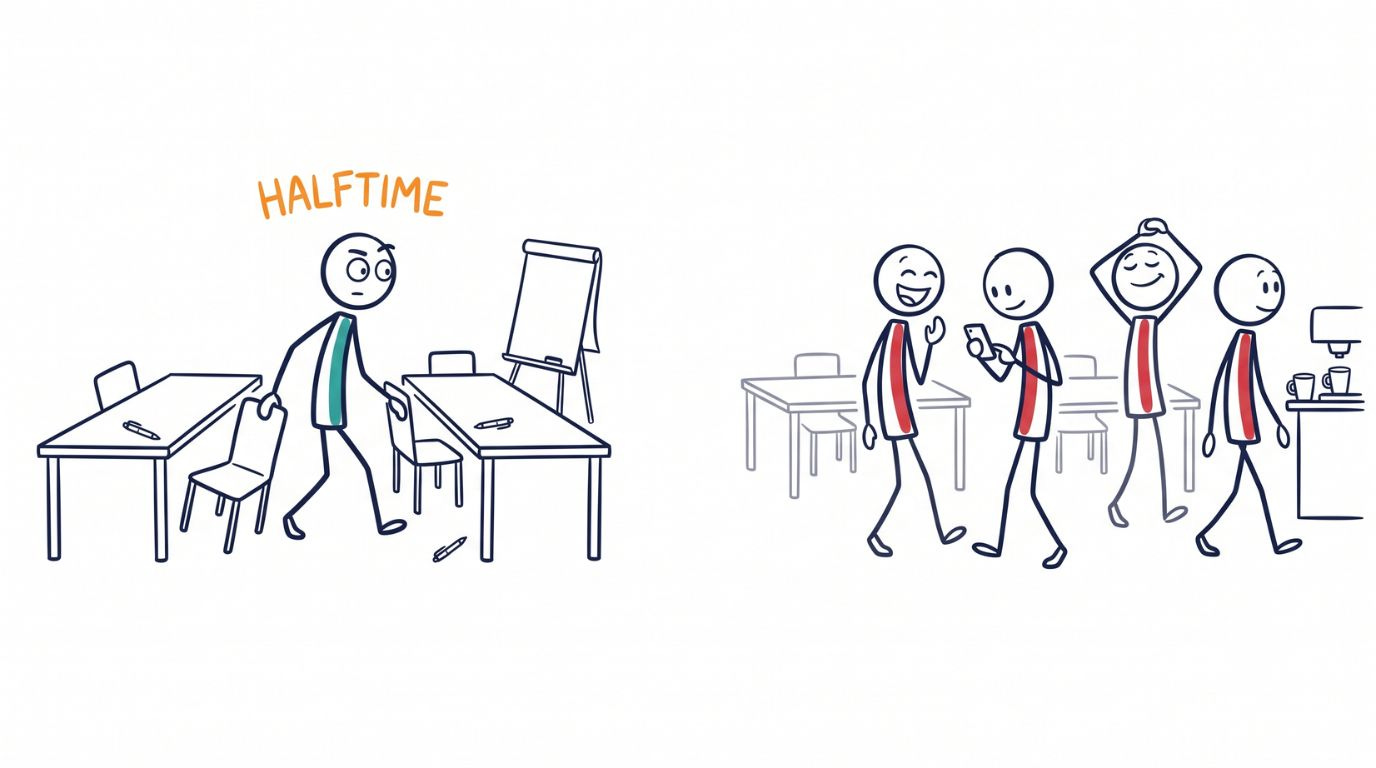
The players rest. The coach works.
That’s how breaks work in facilitation too.
Participants recharge. You review what happened in the first half, adjust the plan, and set up the room to win the second.
What you do in that window determines whether the afternoon lands or drifts.
And most afternoons drift. Energy drops after lunch. Attention shortens. The group that was engaged at 10am is checking email by 2pm.
The facilitators who avoid this pattern aren’t doing anything magical in the afternoon itself.
They’re doing something specific during the break before it.
I’ve watched hundreds of facilitators during breaks.
The ones who deliver the strongest afternoons do six specific things while everyone else is getting coffee.
1. Walk the room and reset the furniture
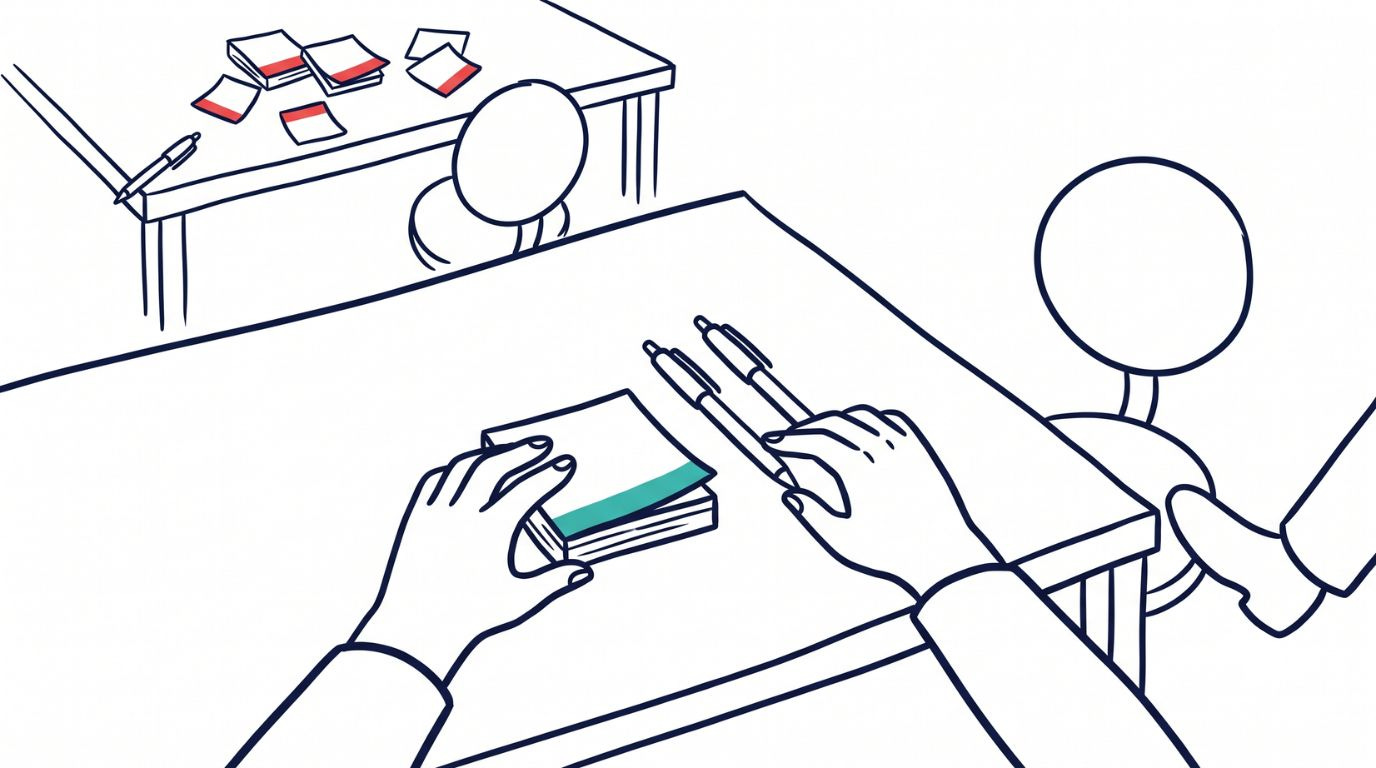
By mid-morning, the room has drifted. Chairs have migrated.
Someone moved a flipchart to make room for their laptop bag.
One table group is cramped because two people shifted closer together, and the table next to them has too much space.
This happens in every session. Rooms degrade.
If you don’t reset them at every break, the degradation compounds.
Walk the space. Push chairs back into position.
Check that every table has pens, sticky notes, and whatever materials the next activity requires.
If you need a flipchart for the afternoon that’s buried behind someone’s coat, move it now.
Two minutes of resetting during the break prevents ten minutes of awkward rearranging once everyone is back and watching you scramble.
Tim Hamons in my LinkedIn community calls this “zenning the room.” His facilitation teams use the phrase as shorthand.
Everyone knows what it means: straighten the space, reset the materials, make the room look intentional.
When participants walk back in and the environment looks cared for, it registers.
Physically rearranging the room before people return builds anticipation.
If the morning was small-group discussion and the afternoon is individual reflection, change the layout to match.
Spread chairs out. Create more personal space.
When participants walk back in and the room looks different, their brains start asking “What’s next?” before you’ve said a word.
You’ve created a transition without having to say anything.
2. Check in with the quiet person
There’s someone in your session who hasn’t spoken all morning.
They’ve been listening. They’ve done the activities. They’ve written things down. But they haven’t contributed to the wider group conversation.
That person often has the clearest read on whether the session is working. They’re observing while everyone else is performing.
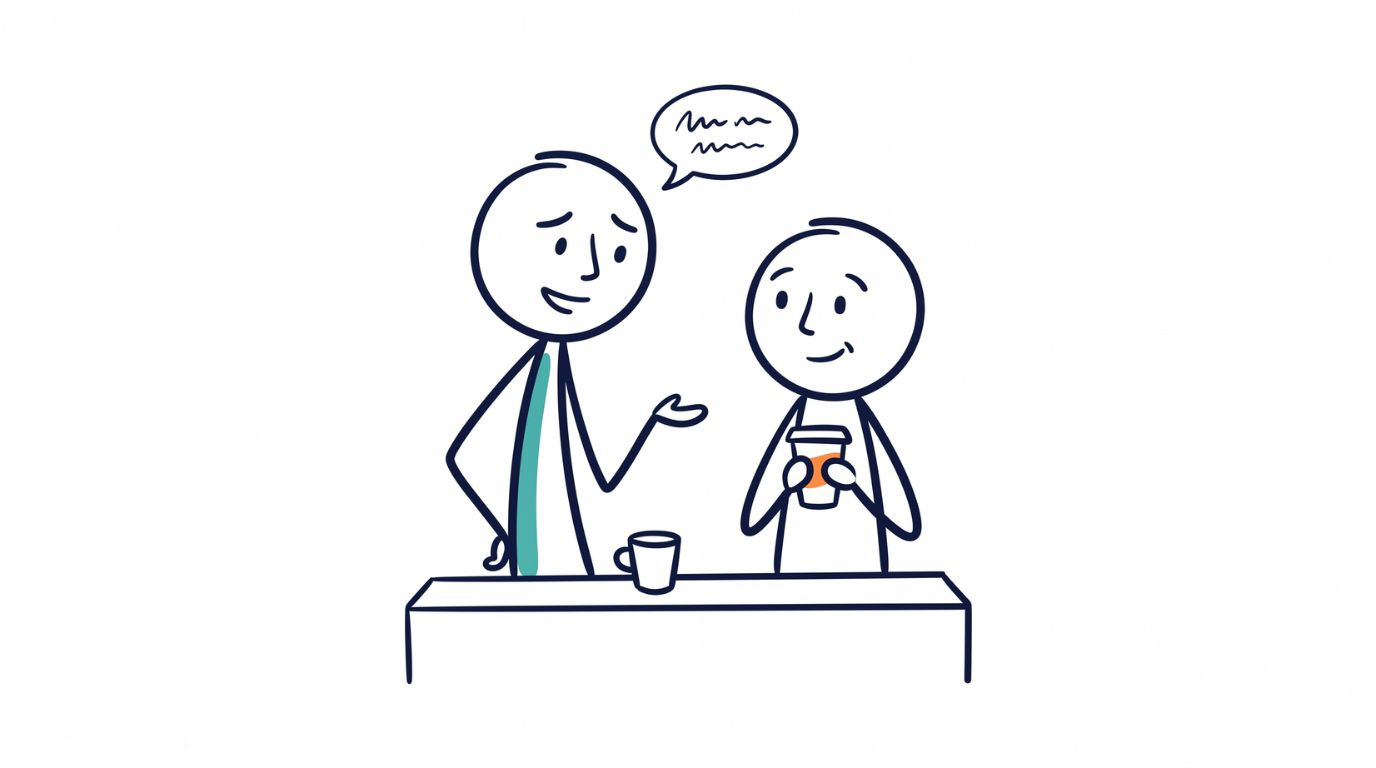
Find them during the break. Not in front of the group. At the coffee station, or as they’re walking back to their seat.
Keep it casual: “How’s it going for you so far? Anything you’d like more time on?”
When someone feels noticed, they’re far more likely to contribute in the next activity.
Not because you asked them to speak up. Because someone acknowledged they were in the room.
A quick conversation with the sponsor to confirm they’re happy with the direction is also much easier to handle during a break than discovering at 3pm they expected something different.
3. Adjust the agenda based on what the morning told you
This move separates experienced facilitators from everyone else.
The morning gave you information you didn’t have at 9am.
You now know which topics the group cares about.
You know where the energy is.
You know which activity landed and which one fell flat.
You know whether the group is ahead of schedule or behind.
Most facilitators look at all of this and then deliver the afternoon as planned anyway. The agenda was agreed with the client. The slides are ready. Changing things mid-day feels risky.
But the agenda you wrote last week was a hypothesis. Your best guess about what the group would need, based on a brief and a pre-call.
The morning tested that hypothesis. The break is where you update it with real intel.
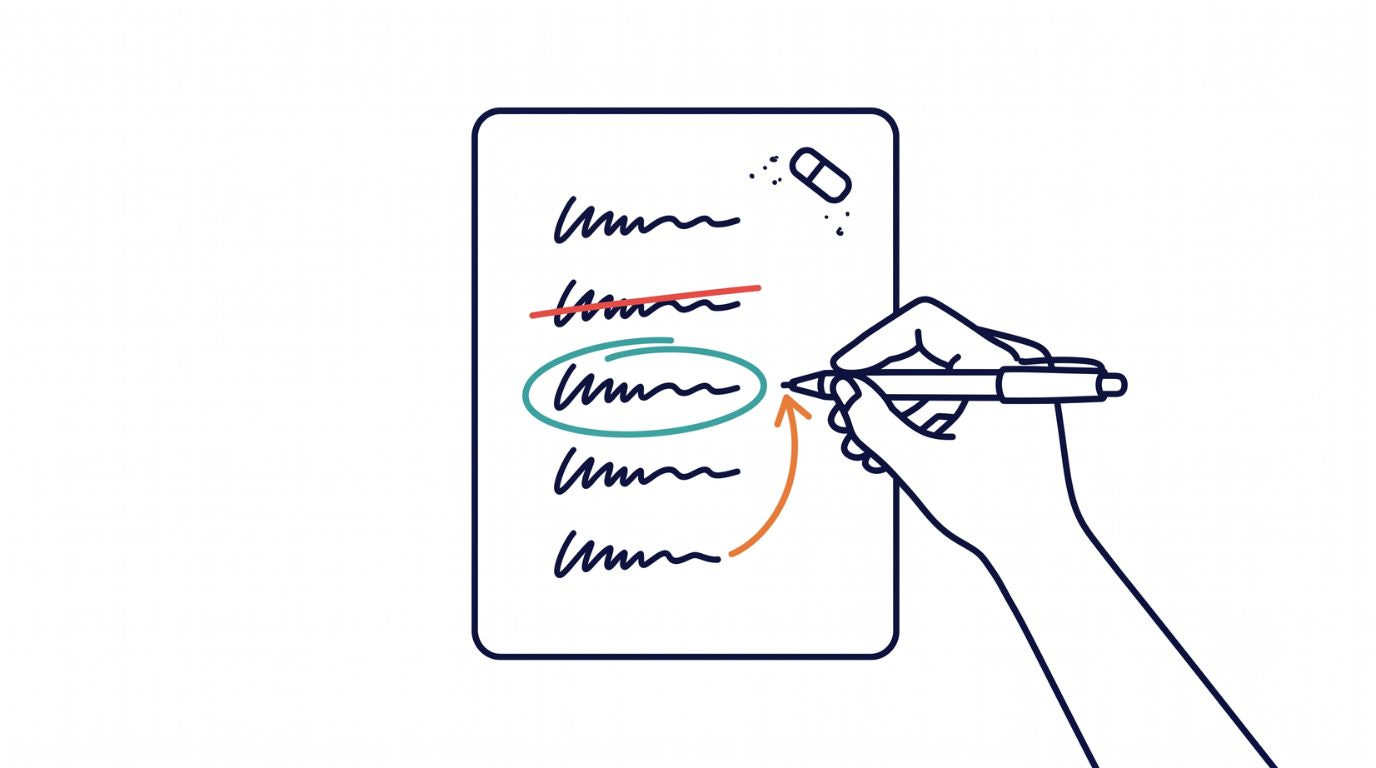
Look at the afternoon. What can you cut? What needs more time? Should you reorder two activities based on where the group’s energy actually is?
If the morning discussion surfaces an unexpected issue that matters more than your planned activity, swap them.
How to do that is simple.
During the break, open your agenda and mark three things: what’s running long and needs to be compressed or cut, what landed well and might deserve more time in the afternoon, and what the morning revealed that you didn’t plan for.
You don’t need to redesign the whole day.
Two or three deliberate adjustments based on what you now know are usually enough to shift the session from “delivered as planned” to “designed for this group.”
I like to have a detailed plan for the day and tell the client that it will likely change.
Going where the group needs to go matters more than following a schedule.
Build a plan that includes multiple options so the flexibility is baked in from the start.
Anyone can follow a plan. The skill is knowing when to leave it.
4. Preview the next section in your head
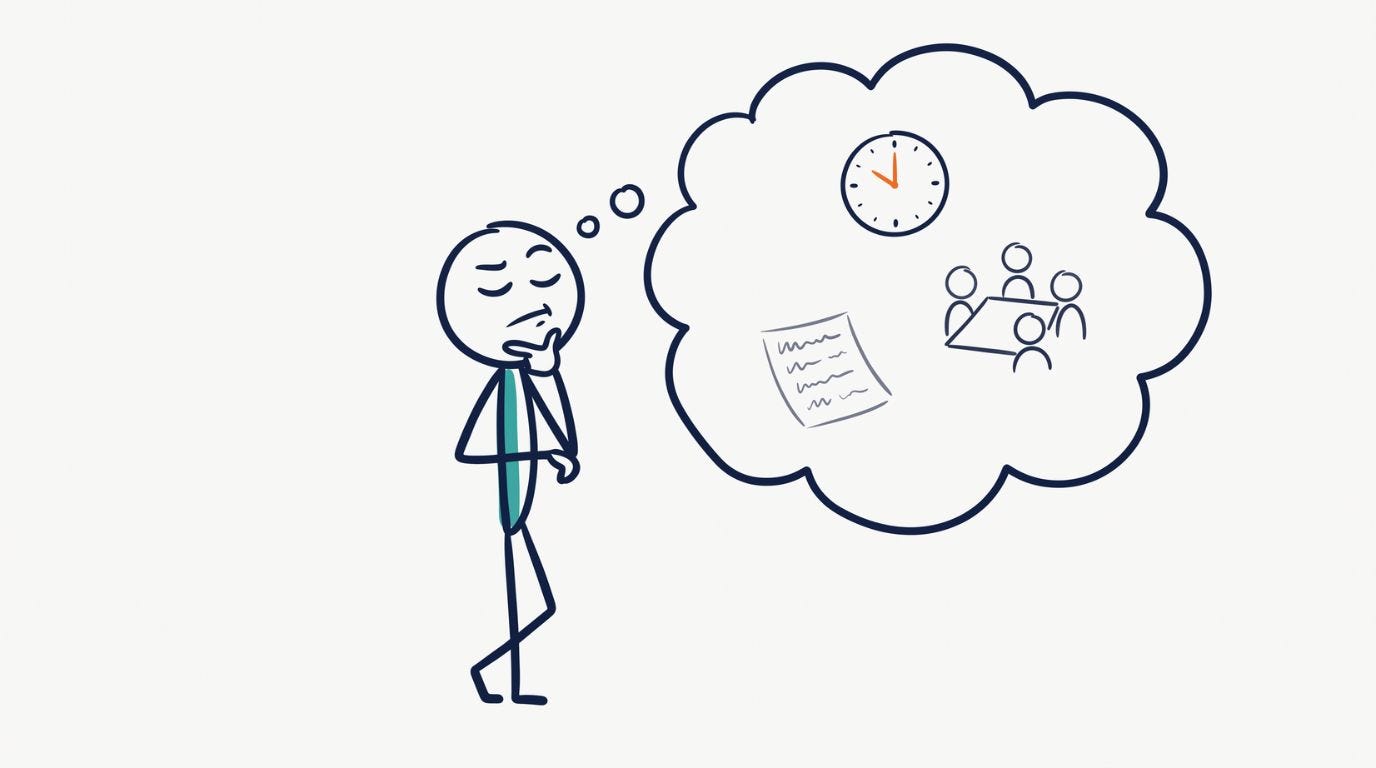
This one takes 60 seconds. Stand somewhere quiet and run through the first five minutes after the break.
What’s your opening line?
What are the instructions for the next activity?
What’s the time allocation?
Where do participants need to be sitting?
Run it in your head like a rehearsal. Picture yourself saying the words. If anything feels unclear or clunky, fix it.
This prevents the fumbled transition that happens when you call the room back together and then stand there flipping through notes, clicking through slides, trying to remember what comes next.
Every second of hesitation at the front of the room tells participants this person isn’t prepared.
You might be completely ready, but the fumble creates doubt.
Ask yourself: “What’s feeling most alive in this session right now?”
That question identifies the thread that’s resonating with the group and gives you language for bridging into the next section: “Before the break, several of you raised X. We’re going to build on that now.”
5. Reset the energy of the space
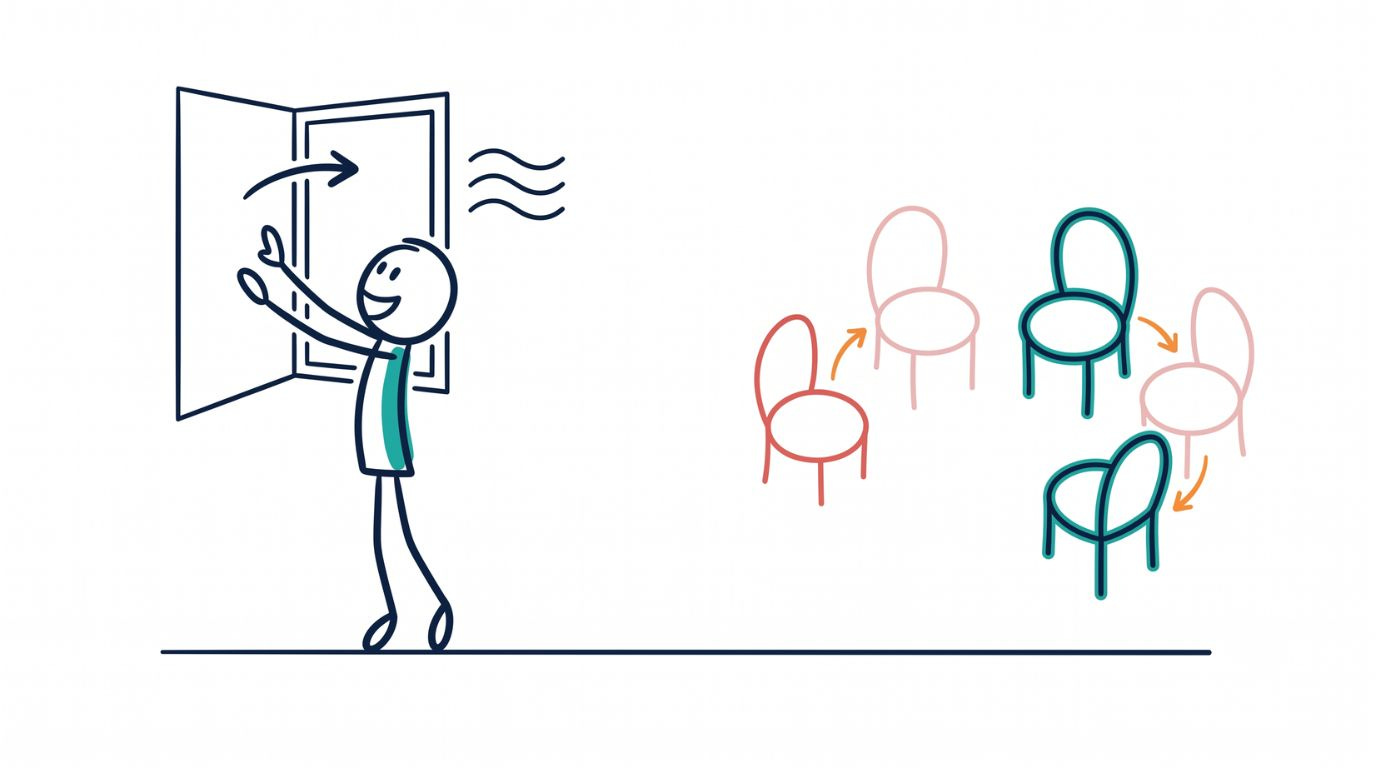
Resetting the energy goes beyond furniture. It’s about the sensory environment.
Open a window. The air in a room with 15 people gets stale faster than you’d expect, and stale air kills afternoon energy more reliably than any bad activity.
If you can adjust the lighting, do it. Brighter for the afternoon when energy dips.
If the morning was discussion-heavy and the afternoon is collaborative, change the chair formation. Circles for discussion. Clusters for group work.
When participants walk back in and the room feels different, it signals a fresh start.
Same layout, same temperature, same lighting signals “more of the same.”
And “more of the same” is what makes people check their email at 2pm.
A room that’s three degrees cooler and rearranged into a different formation feels like a new session.
That’s energy you’re leaving on the table if you spend the break on your phone.
6. Review the parking lot
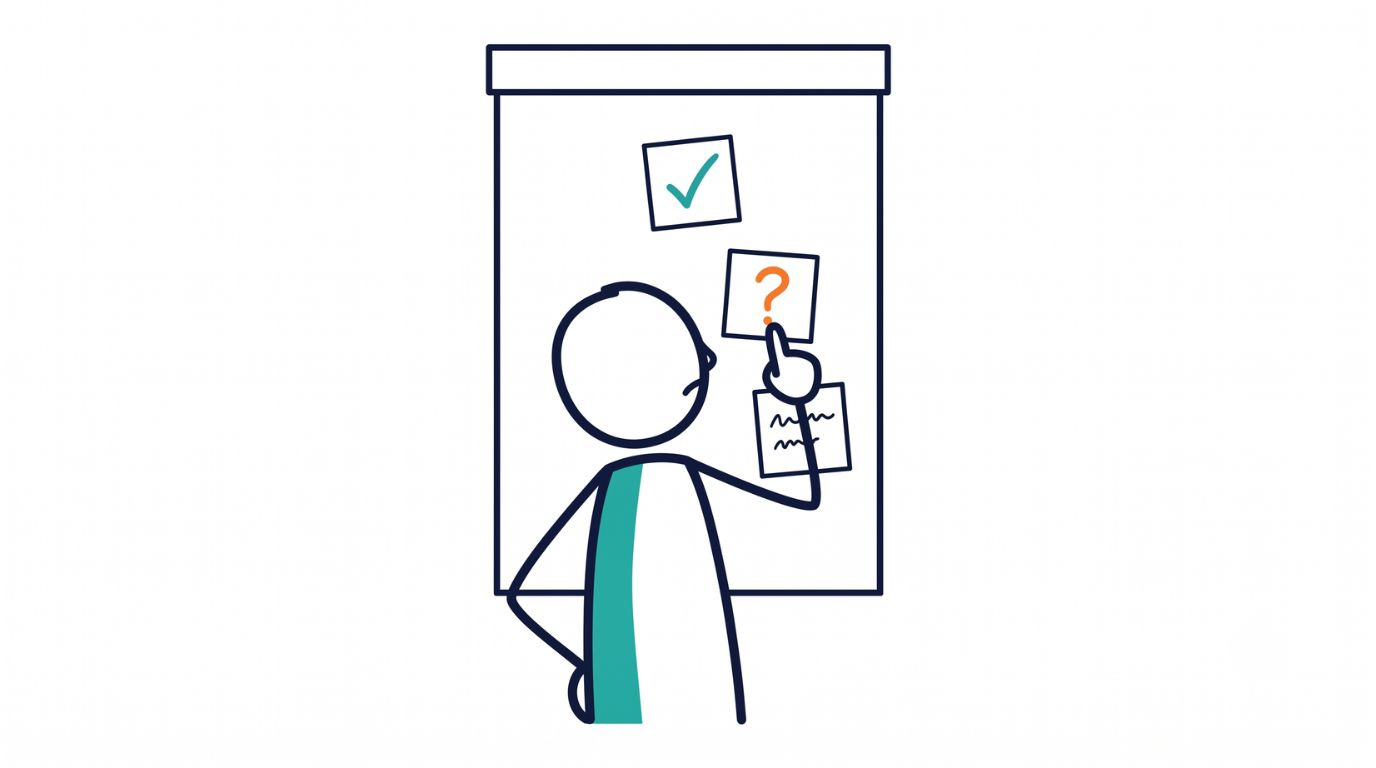
You’ve probably parked two or three items by this point in the day.
Questions that were relevant but off-topic. Ideas that deserved more time than the agenda allowed. Requests you said you’d “come back to.”
If none of those get addressed by the end of the day, the people who raised them will feel ignored.
They put something forward, you acknowledged it, and then nothing happened.
During the break, scan the parking lot. For each item, make a decision.
Can it be woven into an afternoon activity?
Can you address it in the closing?
Does it need its own five-minute slot?
Or is it genuinely out of scope, and you need to say so honestly?
The worst version of the parking lot is the one that sits there all day, collecting items like a suggestion box that nobody reads.
Participants see it. They know their item is on it. And every hour that passes without it being addressed erodes a little more trust.
The parking lot only works as a tool if you treat it like a live queue, not a list to deal with later.
Having a plan for every parked item before the afternoon starts means you’re not scrambling at 3pm, trying to squeeze in three topics while people are packing up.
It also means you can reference the parking lot at transitions: “Before we move on, I want to come back to something Sarah raised this morning.”
That sentence tells the room: your contributions don’t disappear. Someone is tracking them.
The pattern underneath all six
Line these moves up and a sequence emerges.
Reset the room. Read the people. Adjust the plan. Prepare the next move.
Physical space, then people, then strategy, then execution.
Each one feeds the next.
You can’t adjust the plan well if you haven’t read the people.
You can’t prepare the next move well if you haven’t adjusted the plan.
And the whole thing starts falling apart if the room itself is working against you.
Most experienced facilitators do some version of these moves already, instinctively.
The value of naming them is that you can do them deliberately.
Every break. In order. Without relying on instinct to remember what matters.
The break is 15 minutes. These six moves take roughly 10. That leaves five minutes to grab your coffee and collect yourself.
But you’re drinking that coffee while scanning the room, not while scrolling your phone.
The sequence, once you’ve done it a few times, becomes automatic.
Ten minutes. Six moves. And an afternoon that lands.
When the participants rest, you work. And the session is better for it.
This week’s paid extras include word-for-word scripts for the four hardest break moments (the quiet person check-in, the sponsor temperature check, the parking lot callback, and the post-break opening line), plus scenario walkthroughs for when the standard halftime doesn’t fit: virtual sessions, 10-minute breaks, co-facilitated days, and what to do when the morning went badly.
If this was useful, forward it to someone who’s facilitating a session this month. And if you’re not subscribed yet, you can fix that below.